Bottom line: The closure of small smartphone maker Dakele marks the latest distress signal from the sector, with one or more larger, more familiar brands likely to close shop within the next 6 months.
The inevitable has finally happened in China’s 2-year-old smartphone wars, with word that a smaller player named Dakele has officially closed shop after running out of money. It’s not completely true to call Dakele the first victim of China’s smartphone price wars, since we saw a steady stream of bankruptcies among component makers that supply the actual brands toward the end of last year.
But Dakele’s closure does mark a major milestone, since it’s the first case I’ve seen of a sizable brand going bankrupt and probably signals more closures in the year ahead. Some of the most likely candidates for such closure, or perhaps purchase by another larger player, include mid-size brands like OnePlus and Smartisan, which have failed to find an audience and are probably losing big money. Read Full Post…
Bottom line: The absence of most mid-sized Chinese smartphone brands from the world’s biggest telecoms show this week in Spain reflects their inability to mount serious global campaigns, and also growing financial pressures many are facing.
Mid-sized Chinese brands skip MWC
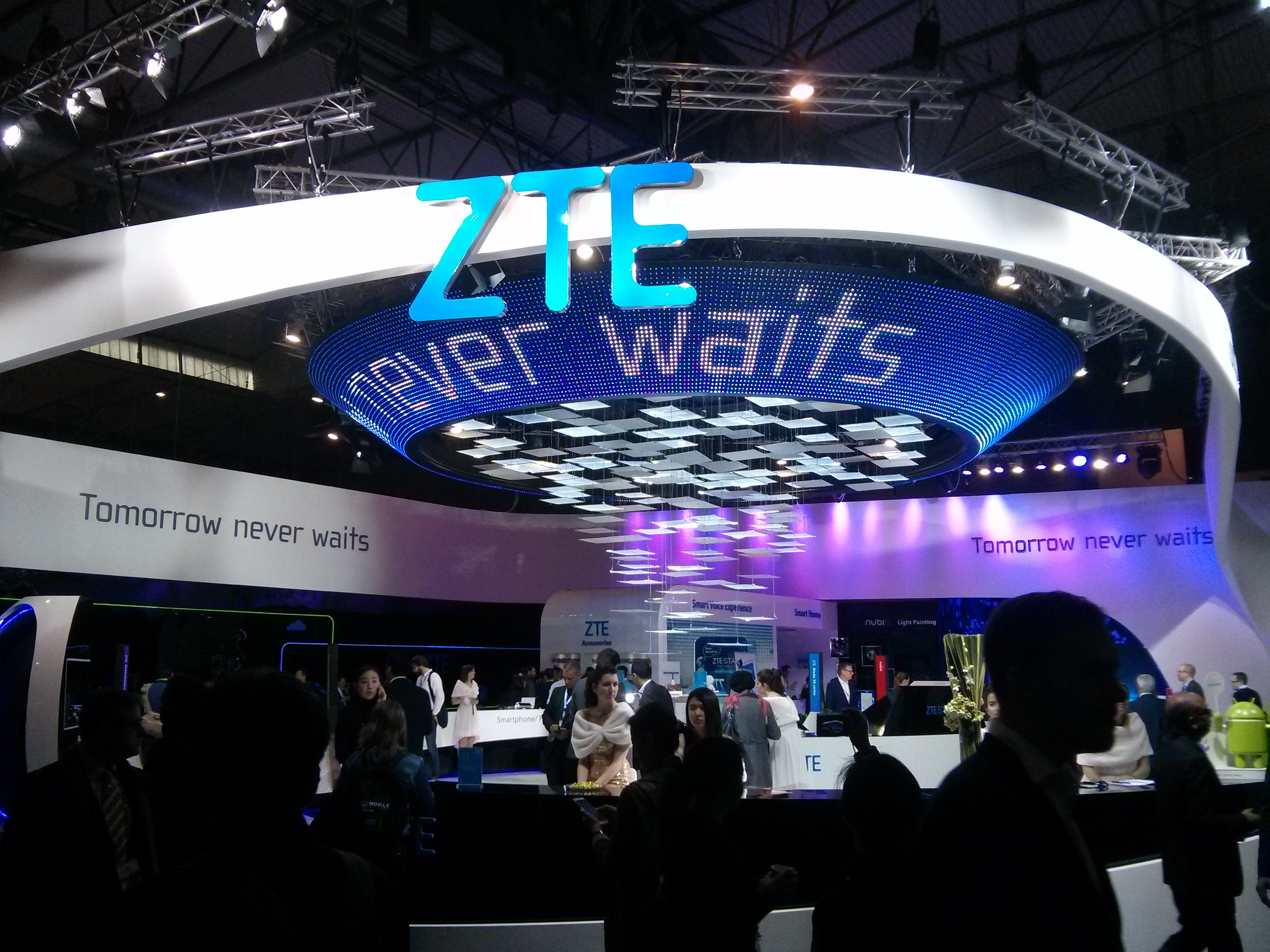
China’s crowded field of low-cost and mid-range smartphone brands may claim to have global aspirations, but you would never know that judging by their loud absence at the world’s biggest telecoms show this week in Spain. I’ll admit that I’m not personally attending this year’s Mobile World Congress in Barcelona, so I’m dependent on the show’s website and media reports to determine who is and who isn’t attending.
But based on my own findings, including talks with spokesmen from at least one of the big domestic brands, most companies are skipping this show that has emerged in recent years as a major venue for debuting new smartphones. There are several reasons for skipping the show, but I suspect that chief among those is costs. Read Full Post…
Bottom line: Lenovo’s longtime CEO Yang Yuanqing should resign or be replaced to make way for new leadership to turn around the company’s struggling mobile unit that will be critical to its future.
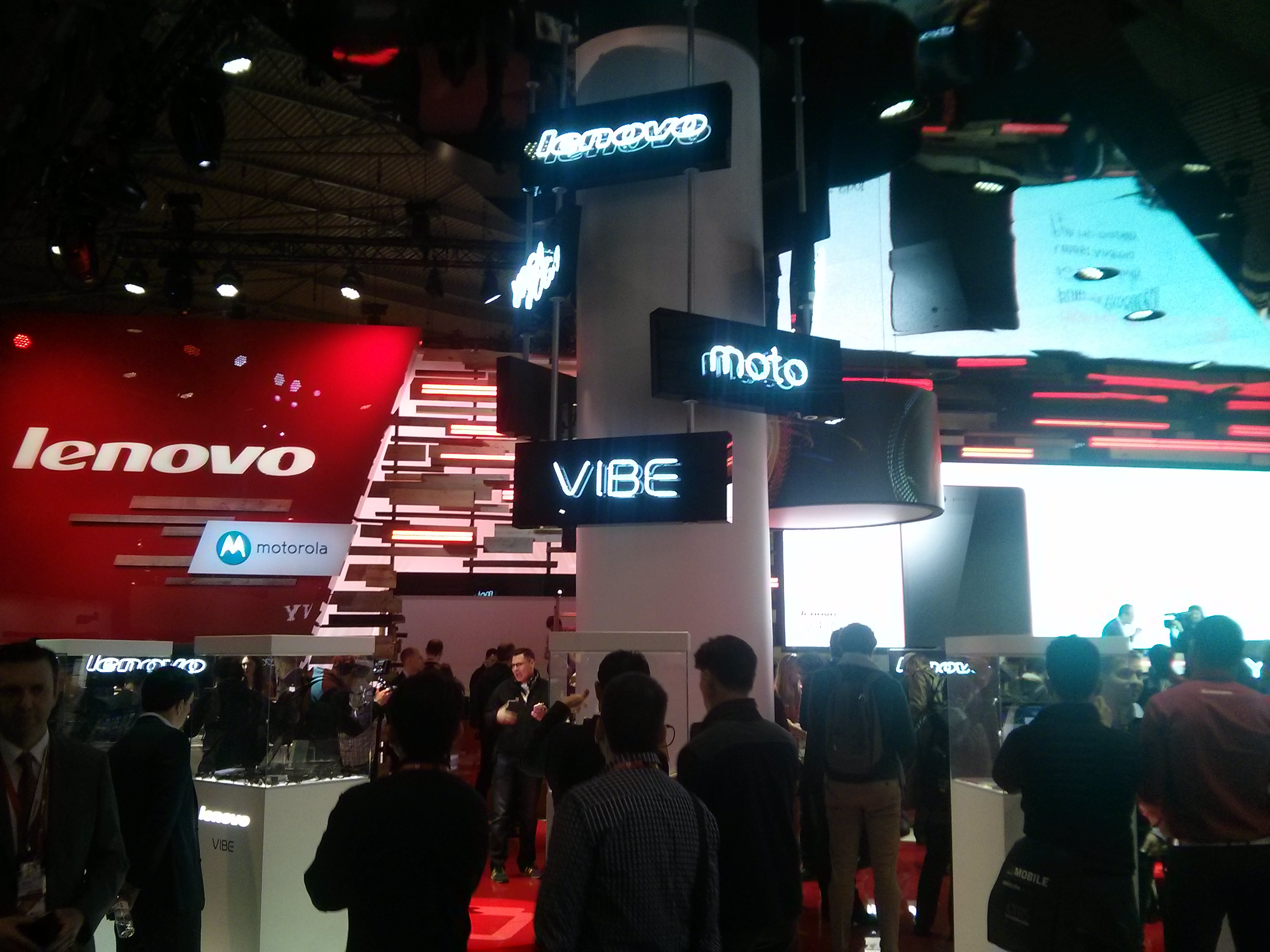
Lenovo attends Mobile World Congress
The global smartphone spotlight is in Barcelona this week, as industry giants including China’s Huawei and ZTE (HKEx: 763; Shenzhen: 000063) unveil their latest new models at the world’s biggest telecoms show. But one company that’s unlikely to generate much buzz is PC stalwart Lenovo (HKEx: 992), which has disappointed for the last 2 years by failing to gain traction in a smartphone business that will be critical to its future.
To the contrary, Lenovo saw its smartphone sales tumble last year in its home China market, which accounts for about half of its total revenue. The dramatic plunge is all the more worrisome since Lenovo was hoping for a surge last year after its purchase of Motorola, which once enjoyed a reputation as a global leader but later fell onto hard times. Read Full Post…
Bottom line: Huawei’s smartphone prices should continue to rise this year as it rolls out more higher-end models, while Xiaomi’s new drone product looks like a publicity ploy to draw attention back to its sputtering smartphones.
Huawei smartphone prices rise in 2015
Just days after new data showed Huawei finishing 2015 as China’s smartphone leader, different new data is revealing the company was the market’s only domestic brand that was able to raise prices for its products during the year. That boosts the growing perception that Huawei is emerging as China’s first solid mid-range smartphone brand, as it tries to climb the value ladder to someday challenge global leader Apple (Nasdaq: AAPL).
Meantime, domestic rival Xiaomi, which once also liked to compare itself to Apple, is diverging from its former US role model by preparing to roll out a drone product, according to media reports. If the reports are true, this would look like a somewhat desperate move by the fast-fading Xiaomi, which is unable to generate much positive buzz these days for news related to its struggling smartphone division. Read Full Post…
Bottom line: Huawei is likely to consolidate its position as China’s top smartphone brand this year, while Lenovo and Samsung could regain some market share as each mounts aggressive turnaround campaigns.
Huawei takes China smartphone crown
A year is almost like an eternity in the fast-moving smartphone world, and nowhere is that reality more on display than in the latest quarterly data on China’s cut-throat market. In the smartphone history books, 2015 will go down as the year that saw Huawei surge to become China’s largest player, with smaller homegrown brands Vivo and Oppo also making impressive gains. On the other side of the aisle, the year is one that former high-flyers Samsung(Seoul: 005930) and especially Lenovo (HKEx: 992) would rather forget, as both plunged out of the nation’s top 5 brands.
Smartphones are an extremely big business due to their high prices, a fact that has drawn numerous companies to the space and created intense competition in China. But constant changes to technology, combined with increasing commoditization due to the dominance of the free Android operating system, means that unknown companies can quickly rise to become major players. Similarly, a winner one year can quickly stumble to become a loser the next. Read Full Post…
The following press releases and media reports about Chinese companies were carried on February 16. To view a full article or story, click on the link next to the headline.
══════════════════════════════════════════════
China Smartphone Market Sees Its Highest Shipment Ever of 117.3 Mln in Q4 – IDC (Press Release)
Apple Pay (Nasdaq: AAPL) to Launch in China in 3 Days – Source (Chinese article)
E-Payment Firm Lakala to Backdoor List in Shanghai via ‘Tibet Tourism’ Shell (English article)
LeTV (Shenzhen: 300104) Sports Raises $1 Bln in Series B Funding (Chinese article)
Yingli (NYSE: YGE) Said to Get 3.3 Bln Yuan in Loans Amid Restructuring (English article)
Bottom line: A new equity alliance between Qihoo and Norway’s Opera web browser is a smart move that could see initial turbulence due to differing management styles, but should ultimately benefit both sides.
Qihoo in group buying Opera
Security software specialist Qihoo 360 (NYSE: QIHU) is taking an important step towards its ambitions of becoming a global Internet brand, with word that it’s part of a group set to buy Norway-based Opera (Oslo: OPERA), maker of the world’s fourth most popular mobile Internet browser. Qihoo is already the maker of one of China’s most popular homegrown web browsers, and is also posing one of the first serious challenges in years to online search leader Baidu(Nasdaq: BIDU) with its Haosou.com engine. It’s also making a big push to move its highly popular security software products into the global marketplace.
Against that backdrop, this new deal looks quite intriguing and also like a smart step for Qihoo to complement its current strengths. But I would also caution that Qihoo is famous for its business tactics, which many might describe as highly aggressive and even unethical. Those include designing products that make big changes to computer and smartphone configurations without their users’ knowledge, most often to favor Qihoo at the expense of rival products. Read Full Post…
Bottom line: Xiaomi and Meizu are trying to expand their exports by working through third-party distributors, and could make a formal entry into the US later this year after studying the market for patent-related liability.
Meizu eyeing US?
After dancing around the edges of the lucrative but extremely competitive US market for much of the last 2 years, fast-fading Chinese superstar Xiaomi and up-and-coming local rival Meizu may finally be preparing to enter the market through tie-ups with local carriers. A flurry of new media reports say the pair of Chinese brands are already making the move via a tie-up that will see their smartphones offered by US Mobile, a virtual network operator (VNO) that uses T-Mobile’s (Nasdaq: TMUS) network.
But no sooner did the reports emerge that Xiaomi issued its own statement saying it had no plans to sell its phones in the US, and that US Mobile was not one of its authorized distributors. Meizu also said it has no announced plans to enter the US. What seems clear from all this is that both companies are probably talking with one or more distributors about selling their smartphones in the US and possibly other western markets, even though neither is quite ready to make a formal announcement. Read Full Post…
Bottom line: Lenovo chief Yang Yuanqing is likely to resign or get replaced as company head by the end of this year as sales continue to stumble, possibly by recently named President Gianfranco Lanci from its European operations.
Lenovo looks at tough year ahead
If there’s a single word to summarize the latest quarterly results from struggling PC giant Lenovo (HKEx: 992), it’s “down”. Just about every major metric in its just-released results was down, though the company did manage to boost its net profit for the quarter thanks to recent aggressive cost cutting. But lowering costs isn’t a long-term formula for success, and investors are clearly worried about the prospects for Lenovo’s shriveling core PC business and a sputtering mobile device unit that is supposed to be its new growth driver.
Investors were clearly most spooked by Lenovo’s top line revenue, which shrank 8 percent to $12.9 billion in its latest quarter. That was the first time Lenovo has posted such a revenue decline in more than 6 years, and nicely summarizes the company’s struggles in just about all of its major product areas. Lenovo did achieve one notable milestone as its mobile device unit finally climbed from the loss column to break even. But even that is hardly an accomplishment since cost cutting was most likely the main driver behind that movement. Read Full Post…
Bottom line: Coolpad’s shares are likely to come under pressure for the rest of 2016 due to stiff competition in China’s smartphone market, and it could be forced to raise more money last this year following its newly-announced rights issue plan.
Coolpad taps stakeholders for more funds
It seems like $700 million and 2 major new alliances weren’t enough to prop up financially challenged smartphone maker Coolpad (HKEx: 2369), which has just announced a new share rights offer to raise up to HK$736 million ($95 million). The deal marks the latest distress signal coming from China’s overheated smartphone sector, which has seen Coolpad and a vibrant field of other domestic brands engage in a fierce game of price wars over the last 2 years.
What’s somewhat revealing about this new capital raising plan is its relatively paltry size, and also the large discount that Coolpad had to offer to sell the new shares. Even worse, one of the main buyers of the new shares is Chinese online video giant LeTV (Shenzhen: 300104), which should have been willing to pay closer to market levels for the new shares after becoming one of Coolpad’s largest stakeholders last year. Read Full Post…
Bottom line: Competition will remain fierce in China’s smartphone market this year, as major players including Huawei and Xiaomi compete aggressively with newcomers like LeTV for market share.
LeTV sets ambitious smartphone goal
The sputtering Xiaomi and high-flying LeTV (Shenzhen: 300104) have become 2 of China’s first smartphone makers to announce 2015 sales figures, as broader industry data show just how crowded the field has become. Xiaomi’s first-look sales figures come in a microblog post from one of its executives, and show the company missed its 2015 sales target by around 10 percent. LeTV’s figures come from an emailed statement, and say the company sold a relatively modest 4 million smartphones last year following its entry to the space.
Then there’s the broader industry data that points out 7 of the world’s top 10 smartphone brands last year came from China. That report notes that among the top 10, only Samsung (Seoul: 005930), Apple (Nasdaq: AAPL) and LG (Seoul: 066570) were non-Chinese, and that a surging Huawei overtook Lenovo (HKEx: 992) to become the world’s leading Chinese brand. Read Full Post…