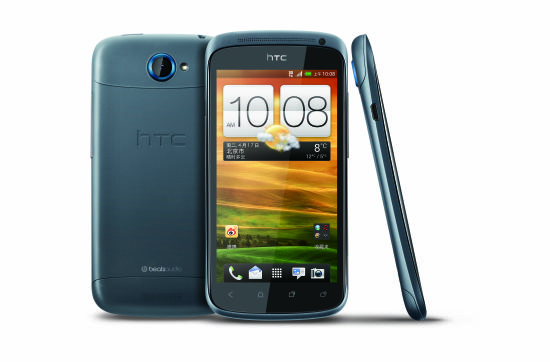
 After witnessing a steady stream of puzzling moves into the smartphone space by Internet companies in recent months, I’m happy to say I’m finally seeing 2 new moves that I like by sector leaders Baidu (Nasdaq: BIDU) and Sina (Nasdaq: SINA). The rush into smartphones has seen many major Internet firms launch their own new products in the last 12 months, from Internet giant Tencent (HKEx: 700) to e-commerce giant Alibaba, security software specialist Qihoo 360 (NYSE: QIHU) and game operator Shanda. Clearly these companies are trying to grab a share of the fast-growing mobile Internet market, which could easily overtake traditional desktop web surfing in just a few years with the explosion of 3G services and smartphones. But rather than partner with strong players using existing mobile platforms, many of these new initiatives are pairing with less experienced cellphone makers like home electronics giants Haier and Changhong, meaning their chances of success are very limited. That’s why I like these 2 new deals with Baidu and Sina, which will see each company partner with a strong smartphone player in a very targeted way rather than trying to develop completely new models. In Baidu’s case, China’s leading search engine is reportedly close to a deal that will see its mobile search engines pre-installed on Apple’s (Nasdaq: AAPL) wildly popular iPhones sold in China. (English article) Meantime, Sina has signed a deal that will see its popular Weibo microblogging service featured prominently on the home screen of a second-generation smartphone model developed for China by Taiwan’s HTC (Taipei: 2498), another strong handset maker. (Chinese article) Let’s look quickly at the Apple-Baidu deal first, as that’s the bigger of the 2 and looks like a smart move for both companies. Apple’s iPhones are quite popular in China, but their high price tag means the models now command a much smaller portion of the market than cheaper smartphones using Google’s (Nasdaq: GOOG) free Android operating system. So this move should help Apple to gain some share by providing easier access to China’s most popular search engine. From Baidu’s perspective, inclusion of its search engine on iPhones should help it gain more dominance in the mobile Internet, an area it doesn’t dominate nearly as much as it does for traditional desktop web searching. The Sina-HTC tie-up should also benefit both of its partners, giving Sina greater exposure for Weibo as it tries to monetize the popular microblogging service in the run-up to an eventual IPO. The tie-up could also provide a sales lift for HTC, whose fortunes have sputtered recently, as Weibo enthusiasts might be more likely to buy this new smartphone model. I hope we see more tie-ups like this in the months ahead, as they look like smart ways to gain share in the emerging mobile Internet. In the meantime, look for these other initiatives involving self-developed smartphones from Alibaba, Shanda and others to be quietly retired in the months ahead after they find few or no buyers after their roll-outs.
Bottom line: New tie-ups by Sina and Baidu look like good highly focused moves to gain share in the crowded mobile Internet market by pairing with established smartphone makers.
Related postings 相关文章:
◙ Russia’s DST Builds More Valuation Froth 俄罗斯DST助长中国互联网企业估值虚高
 Controversial Internet software maker Qihoo 360 (NYSE: QIHU), accused by some of inflating its user data, has just announced some nice new figures that show a big jump in first-quarter sales tempered by a forecast for slowing growth in the current quarter. But what caught my attention in the report was the more unusual announcement that the company is appointing a new “co-CFO”, a title which I have never heard before and a move that, for me at least, increases my suspicions that perhaps there may be some truth to claims of exaggerated accounting. Let’s take a quick look at the actual results, as investors seem to be focused on that element of the report, with Qihoo saying its revenue tripled in the first quarter to $69.3 million, as it swung back to a profit after reporting a net loss a year earlier. (
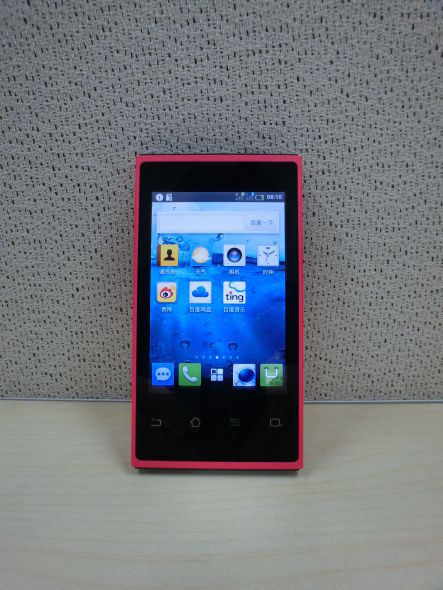 I don’t like to sound too negative for 2 days in a row, but one day after predicting failure for PC giant Lenovo’s (HKEx: 992) new smart TV initiative I have to give a similar forecast for the recent rush into smartphones by a growing number of Chinese Internet players, with search leader Baidu (Nasdaq: BIDU) leading the charge. Chinese media have been buzzing for the last few days about Baidu’s new offering, a low-end smartphone that runs on the company’s self-developed operating system and was co-developed with TV maker Changhong (Shanghai: 600839). (
 Just when the confidence crisis that has hit US-listed Chinese stocks for nearly a year looked like it was waning, a new accounting scandal could now be brewing, this time involving security software maker Qihoo 360 (NYSE: QIHU). Readers of this space will recall that Qihoo came under attack last year by a small brokerage named Citron, which questioned the company’s user figures and said Qihoo’s stock was probably worth around $5 per share rather than the $20 range where it was trading at that time. (
 Qihoo 360 (NYSE: QIHU) seems to pride itself in its ability to make headlines, usually by touting user numbers that some believe are highly inflated, and the latest events that have propelled this company onto the front page just underscore its highly controversial nature. Qihoo, better known for launching assaults on others, both in the courtroom and in the business arena, saw its applications abruptly removed from Apple’s (Nasdaq: AAPL) China app store, amid allegations of manipulation of the ratings information posted by buyers of its apps. (
 Web software firm Qihoo 360 (NYSE: QIHU), which has recently come under a short seller attack for allegedly inflating its user figures, is trumpeting a new tie-up with the online unit of CCTV, China’s leading TV broadcaster, to jointly create an online video platform — a development that looks great in the headlines but one that leads me to ask a simple question: Who cares? (
 Amid all the recent talk about security due to high-profile breaches at some big-name web firms, 2 of the nation’s top Web security software makers, high-flyer Qihoo 360 (NYSE: QIHU) and laggard NetQin (NYSE: NQ), are seeing some sharp reversals of fortune as investors take a second look at these stocks. We’ll start with Qihoo, clearly the larger and more aggressive of the 2, which has started the new year by announcing a plan to buy back up to $50 million in company shares. (
 The US Thanksgiving holiday is just around the corner, but some top US-listed China firms have little to be thankful for these days, following a round of short-seller attacks against them that have claimed Focus Media (Nasadaq: FMCN) as their latest victim. I do find it a bit strange that the attacks, which seemed to reach a peak during the summer at the height of the confidence crisis against US-listed China firms, have returned now, leading me to suspect that these short sellers are trying to earn some quick bucks before the year ends. This latest round of attacks began 3 weeks ago, when a report by a small brokerage named Citron questioned claims by Internet security firm Qihoo (NYSE: QIHU) about the size of its user base, saying the stock should be valued at about a quarter of its current level at that time. (
 After briefly considering a recent research report raising doubts about user numbers from Internet security software maker Qihoo 360 (NYSE: QIHU), investors seem to have brushed the information aside, preferring to believe the company’s hype. OK, I should probably be a little more fair and say that the recent bounce-back in shares for Qihoo, which I’ve previously criticized for its unethical business practices, was probably sparked by a strong earnings report this week that saw the company’s third-quarter profit nearly triple and revenues rise by even more. (